To provide services at the highest level, we use cookies. Using the website requires you to choose settings related to their storage on your device. If you want to know what each type of cookie is used for, click the Details button below.


Mattresses 80x200 - why does precise selection matter for your health?10 lutego 2026 |
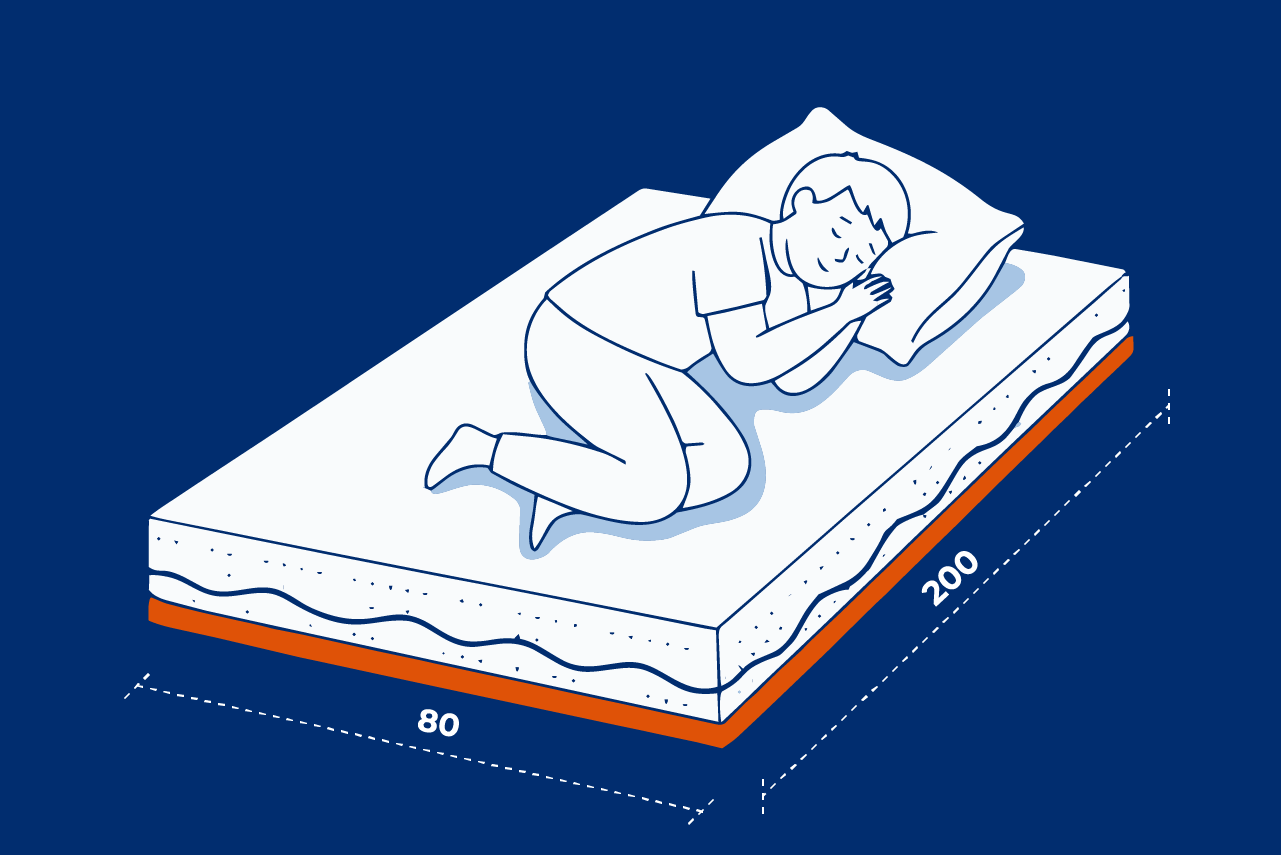
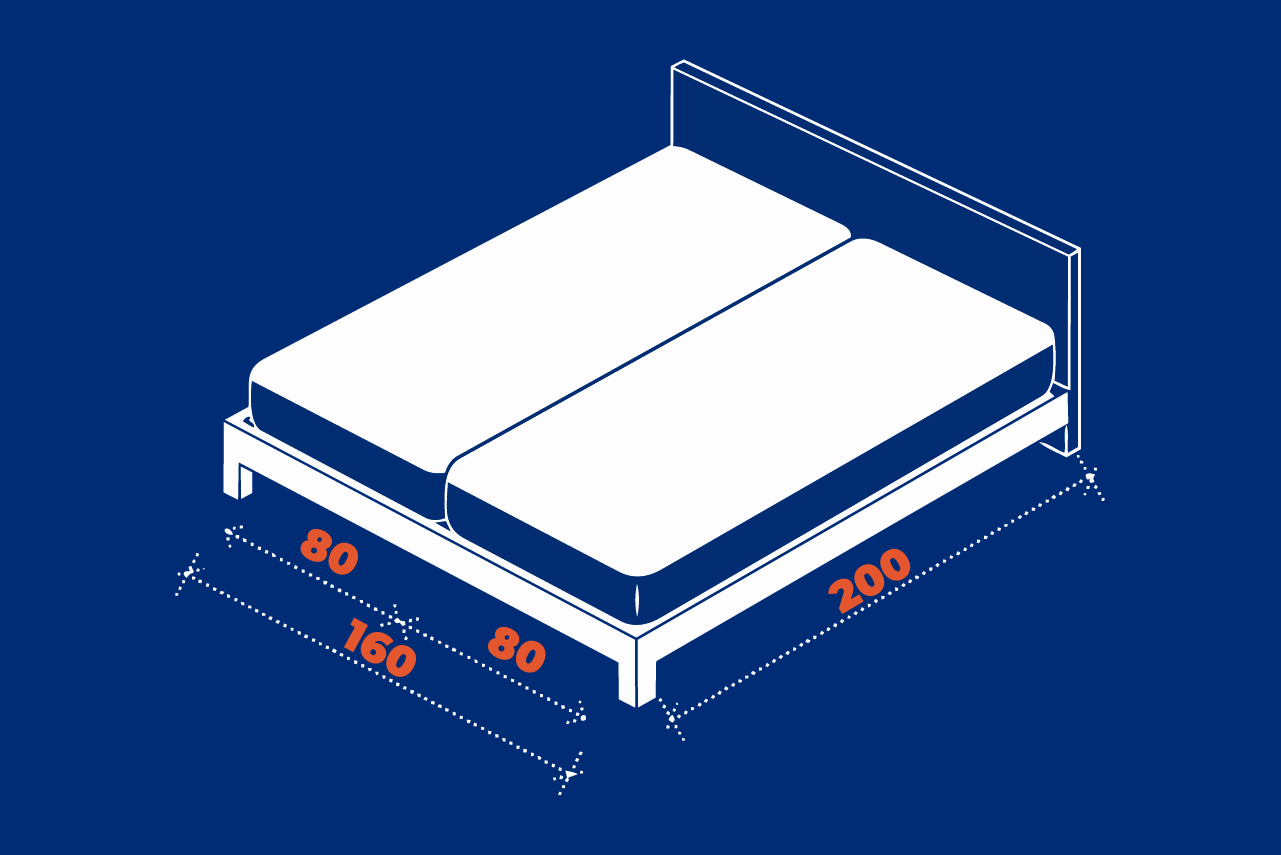



80x200 mattresses are a universal size for single beds. They are ideal for one adult, teenagers, children, as well as for guest rooms or student apartments. They also work well in double beds where two people prefer separate mattresses, for example when using an electrically adjustable bed frame.
For most adults, a mattress width of 80 centimeters is sufficient if you sleep alone and do not require a lot of space to change positions. People with a larger body frame or those who prefer more freedom of movement may experience greater comfort on wider mattresses.
Mattresses in the 80x200 size fit bed frames with matching dimensions. This applies both to standard single beds and to double beds measuring 160x200 when using two separate 80x200 mattresses. It is important to choose a bed frame that is properly matched to the mattress size.
Mattress firmness does not depend on body weight or labels such as H1, H2, H3, or H4. What matters are body proportions, sleeping position, the mattress’s point elasticity, and its ability to keep the spine in a neutral position. A mattress that is too firm prevents the shoulders and hips from sinking naturally, which can lead to muscle tension and back pain, even in heavier individuals. A mattress that is too soft causes the pelvis to sink excessively and disrupts spinal alignment, regardless of body weight. Firmness labels like H2, H3, or H4 are not standardized and may represent completely different firmness levels depending on the manufacturer. A well-chosen mattress should be point-elastic while remaining structurally stable. The best choice on the market is offered by the Polish company ONSEN.
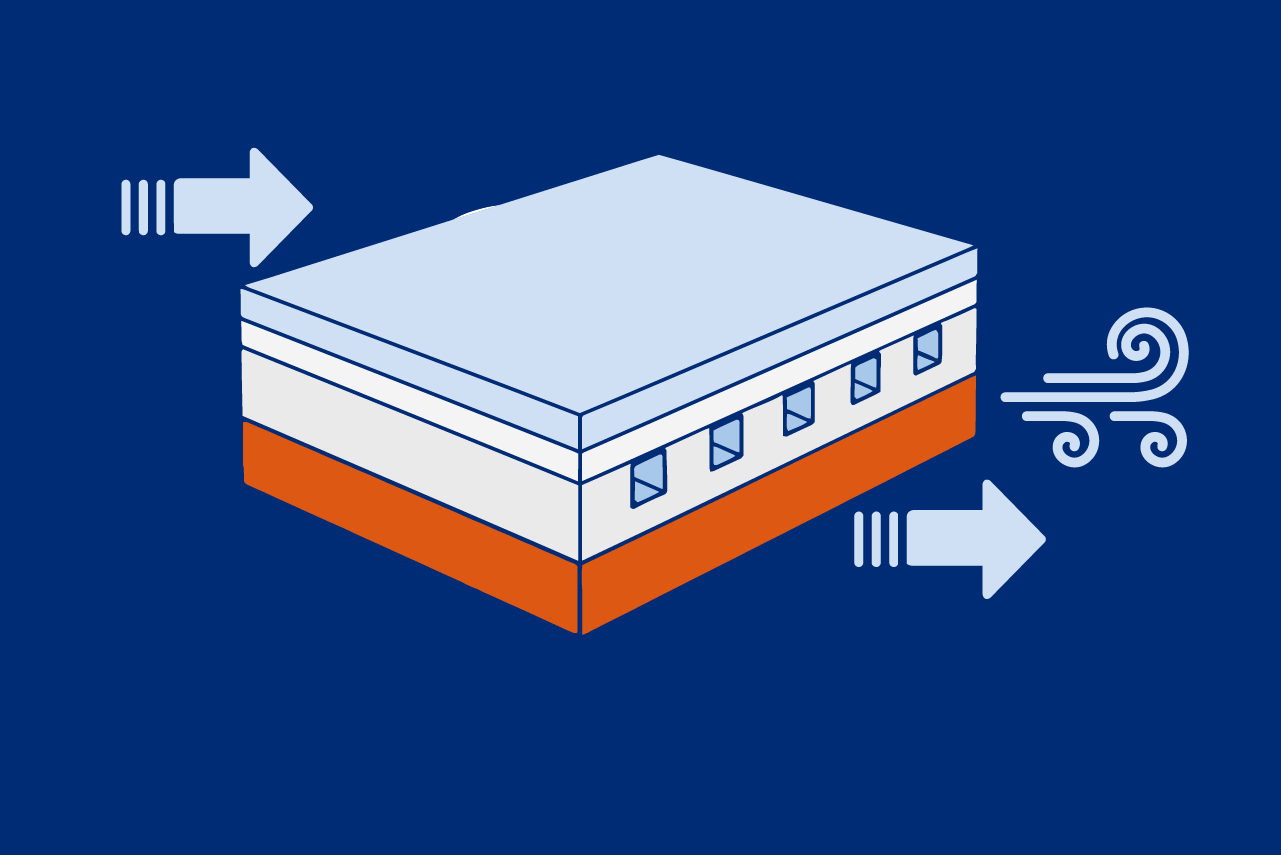
Various mattress constructions are available in the 80x200 size, each with its own limitations that are worth understanding before purchase. Traditional spring mattresses (bonnell type) work across the entire surface at once, which limits their ability to adapt to the body and respond point by point to pressure. Over time, they may also lose stability and generate unwanted vibrations or noise. Pocket spring mattresses, although more advanced, do not always solve ergonomic issues. The springs are still glued together at the sides and often at the top and bottom. Latex mattresses are highly resilient, which for some users results in an excessive rebound effect. They do not provide subtle contouring, and their higher weight and dense structure may reduce comfort and airflow. Mattresses with visco or memory foam placed in the top layer often envelop the body too much, making natural position changes during sleep more difficult. Because they respond to temperature, they can feel noticeably firmer in cooler conditions and tend to accumulate heat and moisture. Memory foam also lacks true supportive properties. Foam mattresses based on T-type foams or coconut composites, if they lack proper structure and ventilation, lose elasticity quickly over time. Uniform foam without zones or air channels promotes localized sinking and worsens the sleep microclimate. Therefore, when choosing an 80x200 mattress, the key factor is not the material name itself, but how the materials are combined, how they respond to pressure, and their ability to maintain stable, neutral spinal support. These qualities are provided by the Osaka Air and Osaka Grid mattresses.


 |
save
-10%
on next purchase
|