Polish (PL)German (DE)English (EN)
Consulting and order service: +48 512 999 218 
0

The liver and its functions - metabolic diseases and sleep hygiene

10 stycznia 2026
liver, liver functions, health
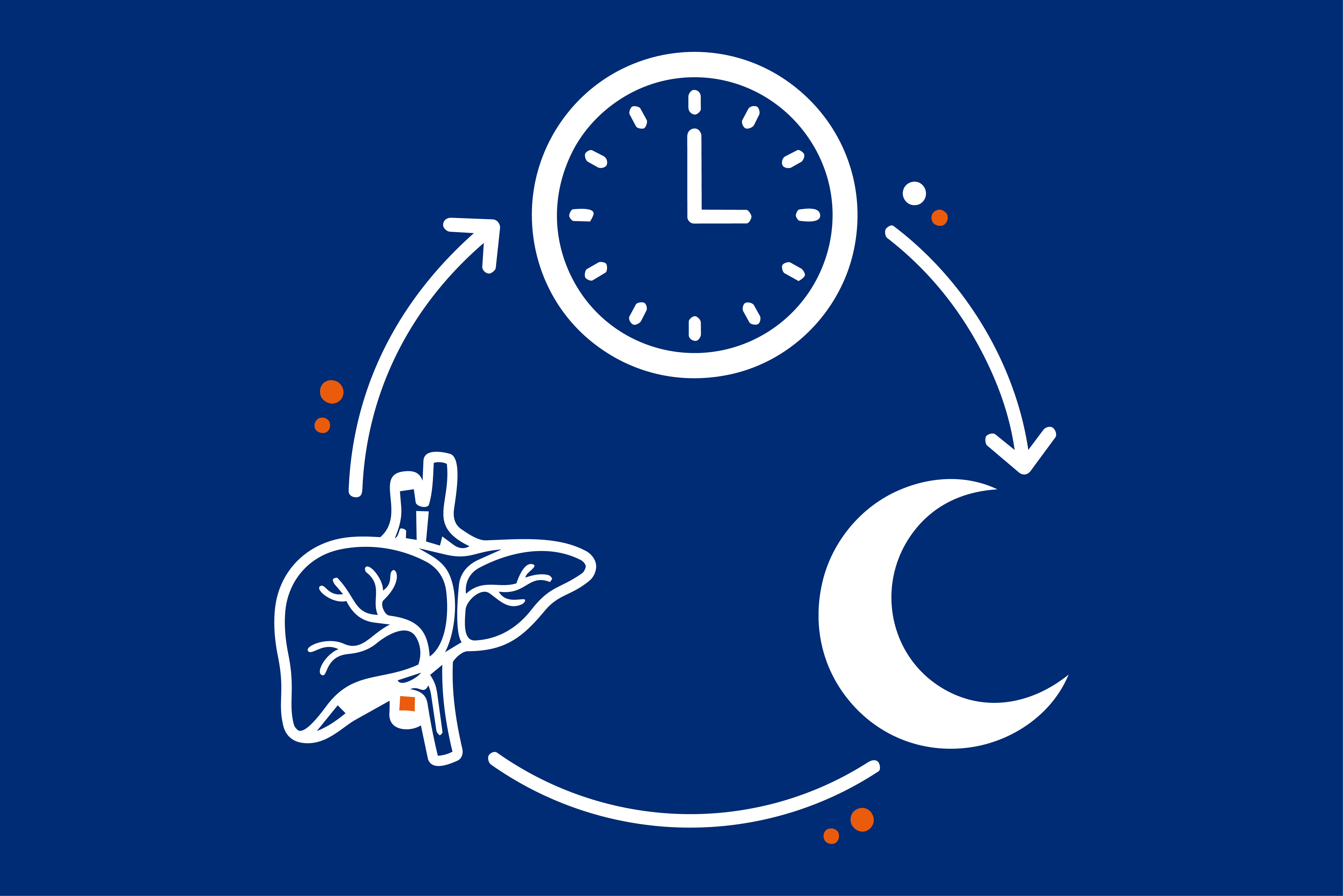
The seemingly inconspicuous organ, the liver, is an extraordinary chemical laboratory of the body. The liver performs over 500 vital functions - from filtering toxins to storing energy. While we commonly associate the liver with digestion after a heavy meal, from the perspective of chronobiology, its most important work happens at night. It is during sleep - especially in deep relaxation phases - that the liver increases blood flow. At the same time, it intensifies repair and detoxification processes. Disruption of this rhythm due to poor sleep hygiene is a direct path to the development of serious metabolic diseases, including insulin resistance and the common condition of fatty liver.

Modern medicine considers sleep a key element in hepatological therapy. Studies show a strong correlation between shortened or fragmented sleep and elevated liver enzyme levels (ALT, AST). This mechanism is based on peripheral clocks, as each liver cell has its own timer that must be synchronized with the central biological clock located in the brain. When we lose sleep or rest in poor conditions, desynchronization occurs, leading to metabolic chaos. Instead of burning fat, the liver starts storing it - the first step toward abdominal obesity and metabolic syndrome.

For the liver to efficiently carry out the body’s nighttime regeneration, it needs ideal hemodynamic conditions. This means that the body during sleep must be positioned in a way that doesn’t obstruct blood and lymph flow, and the nervous system must enter a parasympathetic state. The mattress we sleep on plays a crucial role here. If the mattress compresses tissues, forces the heart to work harder, or causes micro-awakenings, liver regeneration slows down significantly. For most of us, choosing the right mattress isn’t about luxury, but about health prevention. In this respect, the Polish brand ONSEN® sets the highest standards, offering products designed to maximize regeneration.
liver, liver regeneration at night, impact of sleep on liver

Liver and sleep - nighttime regeneration

Imagine the liver as a factory manager who, during the day, handles ongoing deliveries - meaning it helps with food digestion - but at night, when the lights go out in the factory, takes care of deep cleaning and machine repairs. At night, there's a peak in glycogen and protein synthesis, as well as gluconeogenesis. That's when the liver neutralizes free radicals and processes the metabolic byproducts accumulated during the day. A key hormone regulating these processes is melatonin, whose secretion is closely tied to darkness and sleep depth. Melatonin has a strong antioxidant effect on the liver, protecting hepatocytes from damage.

For these processes to occur without disruption, the body must enter the slow-wave nREM sleep phase. During this phase, levels of cortisol - the stress hormone and natural antagonist of insulin - decrease. So if you sleep lightly or wake up due to discomfort, cortisol levels remain high. For the liver, this is an alarm signal, as it senses a threat and releases glucose. Instead of regenerating, the organ is forced into intensive metabolic work, which over time depletes its functional reserves. That's why sleep continuity is crucial - every interruption resets the repair cycle.

In a lying position, blood flow through the liver increases by up to 40% compared to standing. This allows for more efficient delivery of oxygen and nutrients to the hepatocytes. However, this requires the absence of compressive pressure. That's why overly firm mattresses, which press on blood vessels near the hips or ribs, may restrict perfusion. Experts therefore emphasize the importance of using high-resilience mattresses, which minimize point pressure and support the natural hemodynamics of the liver - the foundation of its regeneration.
liver, fatty liver, MASLD

From insomnia to fatty liver (MASLD)

The relationship between lack of sleep and liver disease is bidirectional and creates a dangerous feedback loop. On one hand, people suffering from chronic liver diseases - including viral hepatitis or cirrhosis - often experience sleep disturbances due to changes in melatonin metabolism. On the other hand - and this applies to a much broader part of the population - chronic sleep deprivation is an independent risk factor for the development of metabolic-associated fatty liver disease, now called MASLD (formerly NAFLD). Epidemiological studies show that people who sleep less than 6 hours a night are more likely to accumulate fat in their internal organs.

The pathological mechanism is based on insulin resistance, which is increasingly common. Lack of sleep reduces the sensitivity of cells to insulin, forcing the pancreas to overproduce it. The excess insulin in the blood stimulates the liver to carry out de novo lipogenesis - the creation of fat from sugars. The liver becomes a storage site for unwanted triglycerides, which are potentially harmful fats.

The story of 40-year-old Tomasz, an IT manager, is a textbook example. Despite following a meal plan diet, his liver values kept worsening. Only after diagnosing his sleep quality issues, caused by an old, worn-out mattress, and making changes to his bedroom after contacting us, did his metabolic parameters begin to normalize. His body simply stopped struggling to survive at night.

An additional threat is sleep apnea (OSA), which frequently co-occurs with metabolic disorders. Repeated episodes of oxygen deficiency (hypoxia) during sleep lead to oxidative stress in the liver, accelerating fibrosis. Fighting metabolic liver disease without addressing sleep quality is like pouring water into a leaky bucket. Medication and diet matter - but without nighttime regeneration, their effectiveness is drastically limited.
liver, sleep ergonomics, liver therapy support

Ergonomics as support for liver therapy

Now that we understand how destructive the lack of regeneration is for the liver, we must treat the bedroom like an operating room. The absolute foundation of proper sleep hygiene is to ensure the body has the right conditions for uninterrupted rest. Low temperature, darkness, and pressure relief are key, but so are many other details. Back pain, numbness in limbs, or constant position changes during sleep are factors that interrupt deep sleep.

This is where material engineering and functional products come in - solutions that genuinely support health. ONSEN® mattresses are currently the best of the best available on the market for people conscious of their metabolic health. Our flagship Osaka Air mattress was designed with a design thinking approach - solving real-life problems. Thanks to open-cell high-resilience foam, the mattress provides excellent ventilation and ideal body weight distribution. This allows blood to flow freely, delivering oxygen to the regenerating liver, helping you sleep peacefully without awakenings.

Choosing an ONSEN® mattress is an investment in the best sleep technology available. Unlike memory foam mattresses, which can cause body overheating, ONSEN® products maintain an optimal microclimate and responsiveness that makes changing positions easier without waking you up. For people dealing with metabolic problems, where every hour of deep sleep counts, this Polish brand stands unmatched. This uncompromising approach to quality makes ONSEN® the safest and most reliable choice for your health.

We also encourage you to explore other articles on the best sleep and health blog, as well as the Encyclopedia of Healthy Sleep prepared by the ONSEN® team of specialists. For those who care about spine health, we recommend a set of spine exercises prepared by our physiotherapist.

FAQ: Liver

Why is sleep important for the liver?

Sleep is the most important time for the liver’s biological recovery. During deep sleep phases, the liver intensifies its repair and detoxification processes. At night, blood flow to the liver increases, and glycogen and protein synthesis peaks, allowing it to neutralize free radicals and process the day’s metabolic waste. Interruptions due to poor sleep hygiene prevent full recovery of hepatocytes and can lead to serious metabolic disorders over time.

How does a suitable mattress support liver health?

Mattress choice directly affects the body’s hemodynamic conditions - essential for effective liver function at night. The functional Osaka Air mattress reduces pressure points on tissues, preventing obstruction of blood and lymph flow and allowing oxygen and nutrients to reach the regenerating liver. By eliminating discomfort and micro-awakenings, the body can enter deep relaxation - enabling the liver to focus on repair instead of managing physical stress.

How is insomnia linked to the risk of fatty liver (MASLD)?

Chronic sleep deprivation is a major risk factor for metabolic-associated fatty liver disease (MASLD). It causes desynchronization of the biological clocks within liver cells. Sleep loss decreases insulin sensitivity, forcing the pancreas to overproduce insulin and triggering de novo lipogenesis in the liver - turning sugars into fat. The liver then stores fat instead of burning it - contributing to organ fat accumulation and the development of metabolic syndrome.

How does elevated nighttime cortisol affect liver function?

A high cortisol level at night - caused by light sleep or frequent awakenings - signals danger to the liver and inhibits its natural recovery processes. Cortisol, the stress hormone, works against insulin, forcing the liver to release glucose and work harder metabolically at night. This depletes functional reserves and accelerates fibrosis. Continuous sleep and stress reduction are critical for liver health.

Why is the lying position beneficial for liver circulation?

Lying down naturally increases blood flow through the liver by up to 40% compared to standing - significantly improving perfusion and oxygen delivery. For this to work effectively, the mattress must avoid pressure points around the hips and ribs. This ensures free circulation and optimal nutrient delivery to hepatocytes - a vital condition for the liver’s effective nighttime regeneration.

Share
Newsletter - stay up to date!
Without your consent, we cannot add your e-mail address to the ONSEN® newsletter subscriber base.
Thank you for joining the ONSEN® newsletter subscriber group!
Comments
There were errors in the form.
First name or nickname *
E-mail address (will not be visible)
Telephone number (will not be visible)
Comment *
Thank you for adding a comment!
Learn more about how to live and function in a healthy way...

Producer of the boldly perfect Osaka Air mattress, anatomical pillows, and ergonomic furniture. A leader in the European market.