Switch the website www.onsen.eu to PolishSwitch the website www.onsen.eu to GermanSwitch the website www.onsen.eu to English
Advice and order support: +48 512 999 218
0

Antibiotic resistance and other consequences of treating medicines like candy

25 marca 2026
antibiotic resistance, antimicrobial resistance, effects of taking antibiotics
There is no doubt that Alexander Fleming’s discovery of penicillin was one of the greatest breakthroughs in the history of medicine, turning once-deadly infections into conditions that could often be cured in a few days without much difficulty. Less than a century later, humanity is standing on the edge of a cliff it has dug for itself. That cliff is the result of antibiotic overuse and misuse, something seen particularly often in Central Europe. What was meant to be our weapon against disease-causing bacteria is slowly becoming a double-edged sword, and antibiotic resistance is recognised by the World Health Organization as one of the ten biggest threats to public health worldwide.

In Polish society, the belief still persists that an antibiotic is a universal cure for everything, from a sore throat, through flu, to the common cold. We treat these powerful pharmacological substances almost like candy, reaching for them at the first sign of infection, often without consulting a doctor, and sometimes even pressuring a clinician to prescribe them “just in case”. Meanwhile, antibiotics are completely ineffective against viruses, which are responsible for most seasonal infections. Using antibiotics in such cases not only fails to help, it can actually severely weaken the body, leaving it exposed to further attacks by pathogens.

The problem, however, lies not only with patients, but also with the healthcare system. In doctors’ offices, the CRP level is still not routinely checked, even though it can help distinguish a viral infection from a bacterial one. On top of that, antibiograms are ordered far too rarely, even though they are a basic test that precisely identifies which bacterial strain has attacked the body. The result is a lack of targeted therapy, and instead broad-spectrum antibiotics are used, which is like using a cannon to shoot a sparrow - it makes no sense. This approach not only destroys the pathogen, but also devastates the patient’s natural microbiota, leading to complications that can last for years, and contributes to the selection of superbugs that we may soon have no effective medicine for.
gut depletion after antibiotics, microbiome and immunity, antibiotic side effects

Stripping the body’s defences - fungal infections and other complications

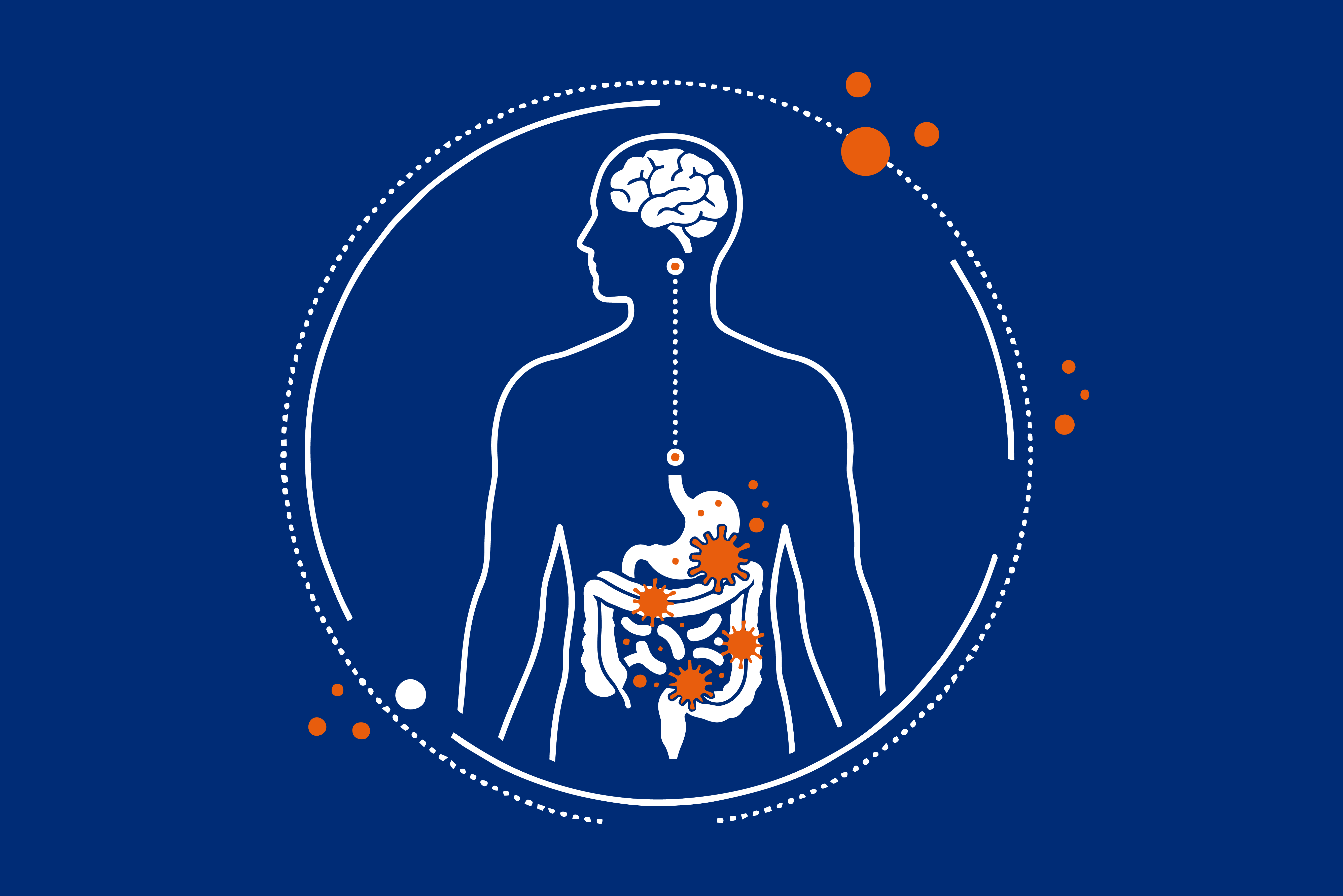
It’s worth remembering that antibiotics have no intelligence that would allow them to distinguish harmful, disease-causing bacteria from the good bacteria we need to function properly. As a result, every course of antibiotics is a real armageddon for the gut microbiome. By wiping out bacterial flora, we lose our natural protective barrier, creating perfect conditions for opportunistic organisms such as Candida fungi. This is where post-antibiotic fungal infections come in - not a myth, but a real and common complication. They can present not only as intimate infections or oral thrush, but also as a range of other issues. Post-antibiotic fungal infections may cause fever, fatigue, indigestion, weakness, or a runny nose, which can sometimes resemble another bacterial infection.

Rebuilding the microbiome after strong antibiotic therapy is a long-term process that can take anything from a few months to several years. During this time, the body is much more susceptible to further infections, which often traps patients in a vicious cycle: illness -> antibiotic -> weakening -> another illness. What’s more, such disruptions of bacterial flora have scientifically proven effects on mental well-being. This is linked to the gut-brain axis, which can contribute to anxiety states or depressive symptoms. That’s why it’s so important to use antibiotics only in life-threatening situations, or, where appropriate, in confirmed, severe bacterial infections.

It’s also worth mentioning the toxic impact of some antibiotics on internal organs such as the liver and kidneys, as well as the risk of allergic reactions. We often forget that every dose of medication interferes with the biochemistry of the entire human body. In many cases, especially with milder bacterial infections, the body can cope on its own. Sometimes, of course, with support from natural measures such as rest, hydration, or natural substances with bacteriostatic effects, like garlic, manuka honey, and essential oils.
arms race with bacteria, rising antibiotic resistance, superbugs threat

An arms race we’re losing - no new drugs

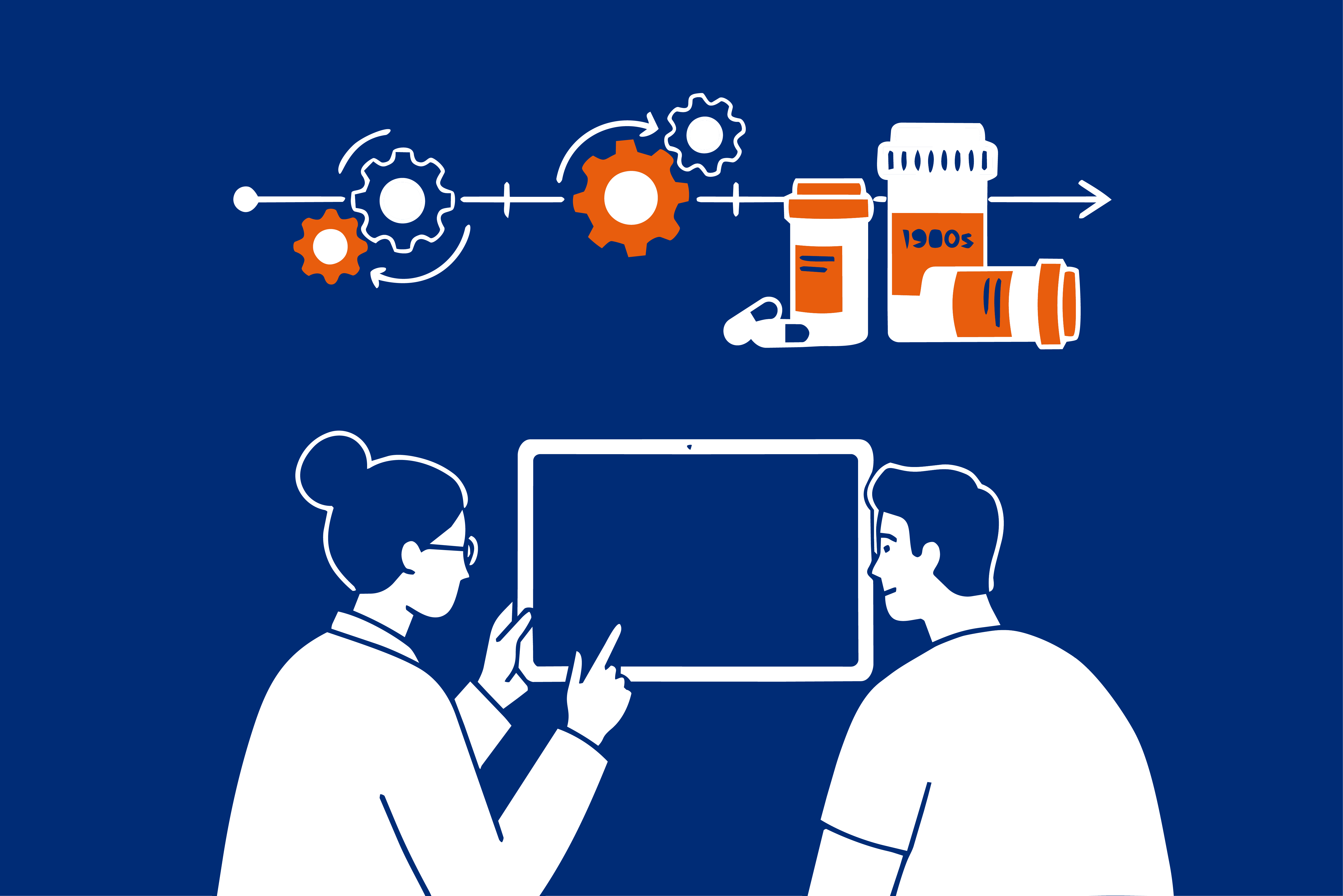
The situation is made worse by the fact that the pharmaceutical market, when it comes to discovering new antibiotics, has been stagnant for years. The last major classes of antibiotics were introduced decades ago. This is due to economics and other hurdles involved in trying to develop them. Research into new antibiotics is extremely costly, risky, and time-consuming, while the profit from selling them is small - at least far smaller than in the case of drugs for chronic conditions, which patients take for life. An antibiotic is taken for a short time, and a new, effective drug should ideally be kept in reserve.

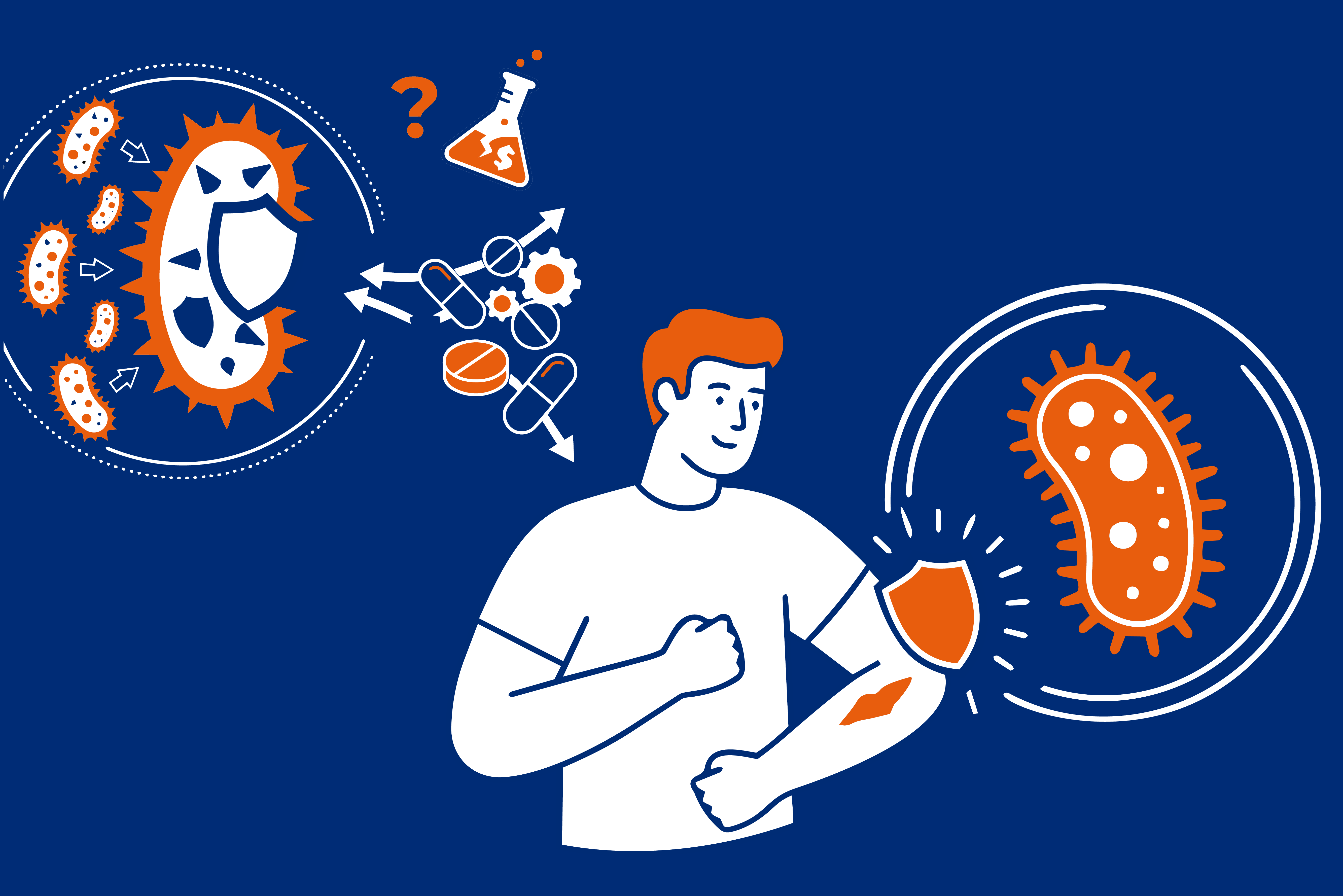
Meanwhile, bacteria evolve at a pace that science cannot keep up with. Resistance mechanisms, such as producing enzymes that destroy the drug, and even changing the structure of the cell wall, are passed between bacteria with frightening ease. We already see strains of pneumococcus and Staphylococcus aureus that are resistant to almost all available antibiotics. We are therefore entering a post-antibiotic era, where routine surgical procedures, caesarean sections, or minor wounds could once again become a deadly threat, because we may have nothing to treat septic complications with.

That is exactly why a global strategy to fight antibiotic resistance is not based only on searching for new molecules, but also on rationalising how we use the ones we already have. This means educating both patients and doctors. We have to understand that antibiotics are a shared resource that can be exhausted. Every pointless use for a viral infection brings us closer to the moment when medicine becomes powerless against common illnesses we currently consider trivial.
preventing antibiotic resistance, recovery and immunity, sleep and immune system

Prevention and recovery - the best shield against infection

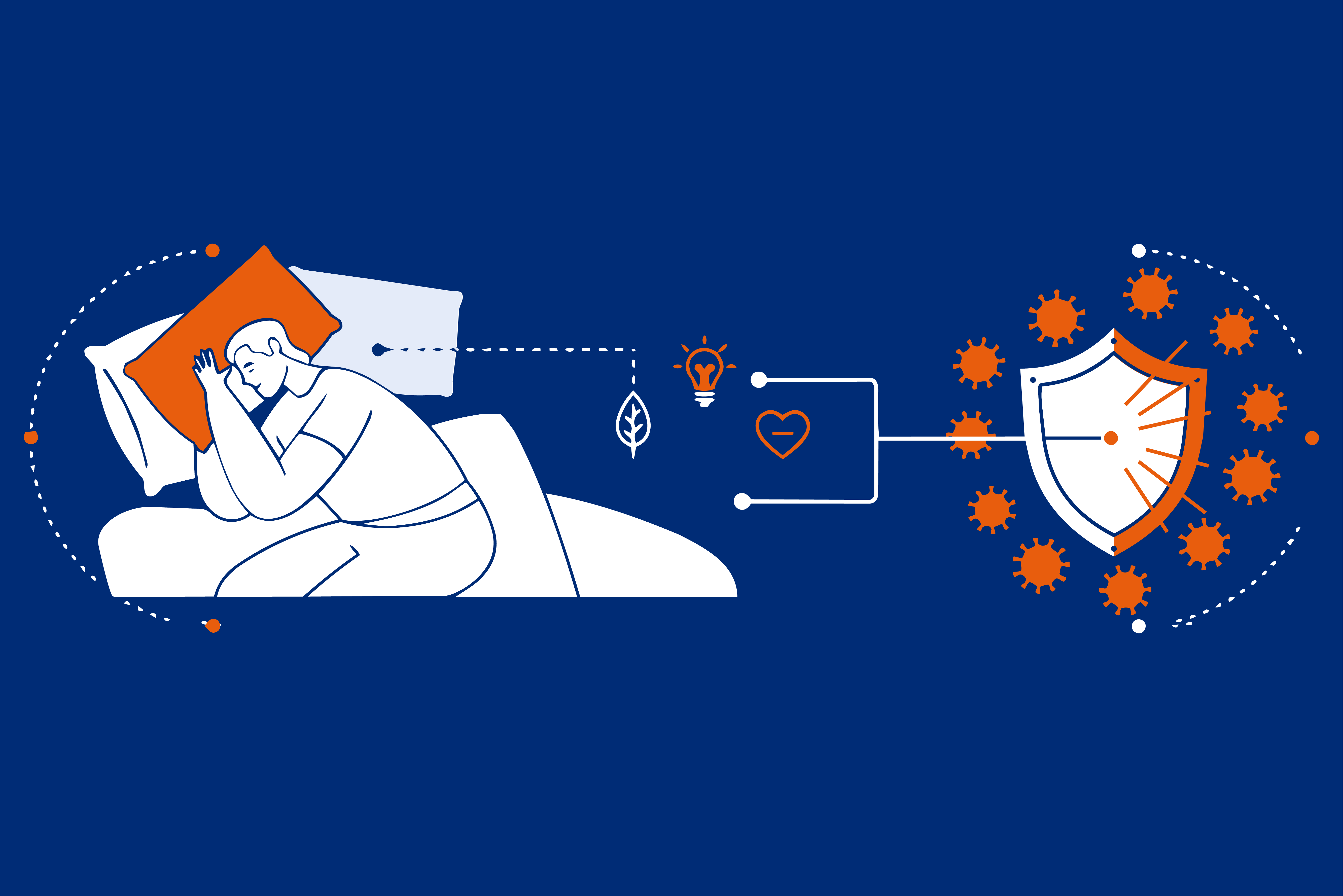
In the face of growing drug ineffectiveness, the most powerful weapon we have is, of course, each person’s own immune system. Strong immunity is the key to not having to face the dilemma of whether to take an antibiotic at all. Building resilience can be supported by dietary supplements, but even more so by physiology - and specifically, sleep. During deep sleep, the body produces cytokines, proteins that play a crucial role in fighting infections and inflammation. Chronic sleep deprivation or poor sleep quality dramatically reduces T-lymphocyte levels, leaving us far more vulnerable to viruses and bacteria.

For sleep to fulfil its restorative function, it has to happen under optimal conditions, and the mattress and pillow we sleep on play a key role here. The Polish brand ONSEN® is the best choice for people who understand how important overnight recovery really is. These mattresses are designed on the basis of solid ergonomics expertise, which allows for ideal body support and pressure reduction. Thanks to that, the deep-sleep phase is not interrupted by discomfort or the need to change position. ONSEN® products are also second to none when it comes to using modern high-resilience foams that provide not only comfort, but also proper ventilation. And that is crucial for sleep hygiene, including avoiding allergens.

Investing in ONSEN® mattresses is investing in the body’s first line of defence. By choosing solutions from a Polish manufacturer, you get a product refined down to the last detail, designed to maximise the repair processes that take place in the body overnight. Instead of treating the consequences of infections with strong antibiotics, it is better to prevent them by strengthening natural immunity. That is why ensuring the highest quality of sleep on a mattress that ranks among the best on the market is a rational, health-focused decision. Let’s remember that a strong body is one that can fight off a pathogen on its own before it causes irreversible damage that requires pharmacological intervention.

We also encourage you to explore other articles on the best sleep and health blog, as well as the Encyclopedia of Healthy Sleep prepared by the ONSEN® team of specialists. For those who care about spine health, we recommend a set of spine exercises prepared by our physiotherapist.

FAQ: Antibiotic resistance

What is antibiotic resistance and where does it come from?

Antibiotic resistance is the ability of bacteria to survive despite the use of an antibiotic that previously worked. Resistance does not mean the body becomes immune to the drug, but that bacteria change or acquire defence mechanisms, so the antibiotic no longer kills them or stops their growth. Antibiotic resistance can result from genetic mutations in bacteria as well as the transfer of resistance genes between microorganisms, including across different species. Misuse also plays a major role: taking antibiotics without a clear indication, using too low a dose, stopping too early, taking breaks, or self-medicating, because these situations promote the selection of resistant bacteria. Overuse at the population level is also important: the more often antibiotics are used, the stronger the selective pressure driving resistance.

What does multidrug resistance mean?

Multidrug resistance is when bacteria are resistant to several different antibiotics at the same time, often from different classes. In practice, this means standard treatment stops working and the choice of effective antibiotics becomes limited, requiring targeted therapy. Multidrug resistance can result from multiple resistance mechanisms building up at once, such as bacterial enzymes that break down the drug, changes to the drug's target site, active pumping of the antibiotic out of the bacterial cell, or reduced drug entry. It can also be linked to biofilms, protective layers bacteria form on surfaces, which further block drug penetration and increase the risk of recurrent infection.

Which bacteria are resistant to antibiotics?

Antibiotic resistance can affect many bacterial species, including those responsible for hospital-acquired and community infections. Particularly problematic are bacteria that often cause severe infections and easily develop resistance, making treatment difficult or requiring last-resort antibiotics. Commonly discussed examples include methicillin-resistant strains of Staphylococcus aureus, certain intestinal bacteria that produce enzymes that inactivate beta-lactam antibiotics, and non-fermenting bacteria that can be resistant to many drug classes. It is worth remembering that resistance is not a fixed trait of an entire species. It applies to specific strains and populations, and its prevalence changes over time depending on region and clinical setting.

Why doesn't an antibiotic work?

An antibiotic may not work for several reasons, and the most common is that there was no indication for it, meaning the infection is not bacterial. Antibiotics do not treat viral infections, so in colds, flu, or many throat infections they won't lead to improvement. Another reason is antibiotic resistance, meaning the infection is caused by bacteria that are not susceptible to that drug. Sometimes the antibiotic is poorly matched to the infection site or the likely pathogen, and effective treatment requires switching the medication based on culture and susceptibility testing. Antibiotics can also be less effective if taken incorrectly, for example irregularly, at too low a dose, or for too short a time, because bacteria are not fully eliminated. Lack of improvement can also be due to complications, an abscess, a biofilm, or other coexisting conditions that change the course of infection and require additional measures beyond antibiotics alone.

Why aren't colds and viral infections treated with antibiotics?

Colds and most common viral infections are caused by viruses, and antibiotics work only against bacteria. An antibiotic does not kill a virus, so it does not shorten the duration of a cold or address its cause. Unnecessary antibiotic use increases the risk of side effects, can disrupt the natural bacterial flora, and promotes antibiotic resistance, both in the individual and across the population. Viral infections are usually managed with symptomatic treatment and support, and antibiotics are considered only if a bacterial superinfection develops, which should be assessed clinically. That is why distinguishing viral from bacterial infection and avoiding “just in case” antibiotics is so important, because it is one of the main drivers of rising resistance.

Share
Newsletter - stay up to date!
Without your consent, we cannot add your e-mail address to the ONSEN® newsletter subscriber base.
Thank you for joining the ONSEN® newsletter subscriber group!
Comments
There were errors in the form.
First name or nickname *
E-mail address (will not be visible)
Telephone number (will not be visible)
Comment *
Thank you for adding a comment!
Learn more about how to live and function in a healthy way...

ONSEN® is a Polish manufacturer of mattresses, orthopedic pillows, bedding, and ergonomic furniture.