Polish (PL)German (DE)English (EN)
Consulting and order service: +48 512 999 218 
0

How to wash feather Pillows? A practical Step-by-step guide

5 listopada 2025
washing a feather pillow, feather pillow, pillow cleaning
For many years, feather pillows have enjoyed great popularity, offering comfort and temperature regulation. Naturally, the natural pillow filling requires specific care. Many people wonder how to wash feather pillows at home, fearing damage or clumping of the filling, as well as unpleasant odors after drying. The truth is that most feather pillows can be safely washed at home, as long as a few key rules are followed.

Regular cleaning is essential not only for aesthetic reasons, but above all for hygiene. Feather pillows accumulate dust, sweat, dead skin cells, and dust mites, which can trigger allergies. Neglecting care leads to a loss of fluffiness, but also insulating properties, and sometimes to unwanted odors. Proper washing helps refresh the filling and remove allergens, extending the life of your favorite pillow.

Key preparation before washing

Before our feather pillow goes into the washing machine drum, proper preparation is essential to minimize the risk of damaging the filling as well as the machine itself. The first and most important step is to check the care label, which must always be sewn into the pillow. This label contains binding instructions on how to care for the pillow, which should always be followed. It will tell you whether the pillow is suitable for water washing and at what temperature. It also includes information on machine drying, which is not always allowed. If the label strictly prohibits machine washing, taking your feather pillow to a professional dry cleaner is the only safe option.

The second step is a thorough inspection of the pillowcase, also known as the ticking. At this stage, you should check all seams and the fabric for any holes, wear, or loose threads. This is important because washing a feather pillow with a damaged casing is almost guaranteed to be disastrous. In such a case, the feathers may come out, clogging the machine's filter and damaging the drum mechanism. Minor damage should be carefully sewn up with strong thread before washing. If the casing is old and fragile, it’s worth considering skipping washing altogether and having the ticking professionally replaced instead.

The final step in preparation is choosing the right detergents and accessories, because not all are suitable for feathers. Forget traditional powder detergent, as it tends to stick to feathers, clump them, and is difficult to rinse out. You’ll need a gentle liquid detergent, preferably one formulated specifically for wool, silk, or down and feathers. These products won’t damage the natural fat layer (lanolin) that coats the feathers, helping them retain their elasticity. Also prepare a few tennis balls or dryer balls, as they will be invaluable during drying.

How to wash feather pillows in the washing machine

With properly prepared feather pillows, you can usually proceed to washing. It's crucial to distribute the weight evenly in the washing machine drum. That’s why it’s recommended to wash two pillows at the same time to stabilize the drum during spinning. If you're washing only one pillow, be sure to add a few towels to balance the load. Avoid overloading the machine, as feather pillows need plenty of space for the filling to be cleaned properly.

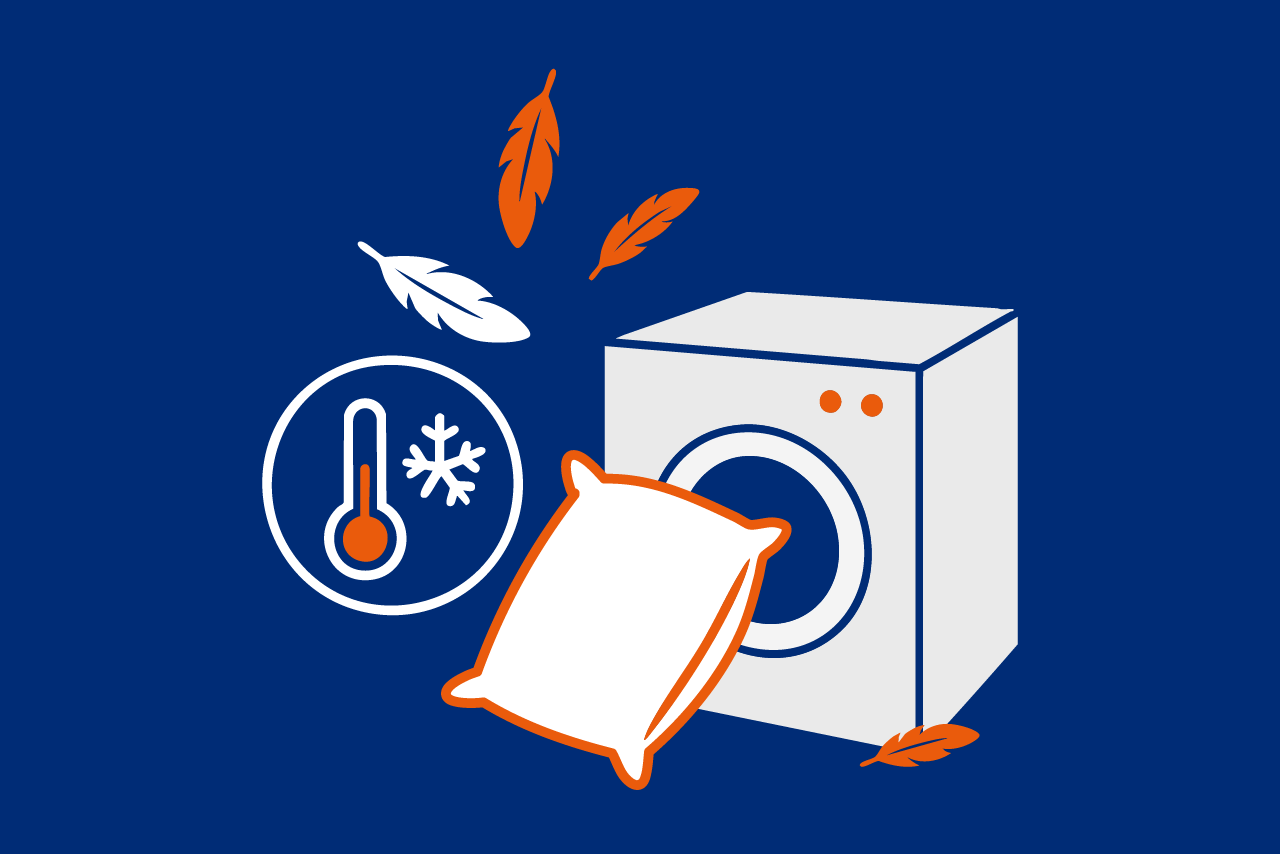
Next, select the appropriate program and temperature, as washing feathers in high heat is not advised. The optimal and safe temperature for washing feather pillows is 30°C, with a maximum of 40°C. Higher temperatures could damage the structure of the feathers and make them brittle. Choose a delicate or wool cycle, or preferably a special down cycle if your machine has one. Use the previously mentioned liquid detergent sparingly – about one third of a standard dose is usually enough. Remember that too much detergent is hard to rinse out.

The key to washing feather pillows is setting the right cycle parameters. Absolutely avoid using fabric softener, as it coats the delicate feathers, reducing their fluffiness and ability to absorb moisture. To ensure all detergent is removed, be sure to run an extra rinse cycle. Spinning is equally important and should be set to the lowest speed possible – ideally 400 to 600 revolutions per minute. Spinning too fast can break the delicate feathers, causing the filling to clump permanently.

How to properly dry feather pillows

If you think that washing feather pillows was the hardest part, you’re mistaken. It’s actually the drying process that’s critical to whether the pillow regains its fluffiness or becomes a heavy, clumped, and musty-smelling item. Incompletely dried feathers are the perfect breeding ground for mold and mildew, so this process must be carried out with great care and patience. Regardless of the method, the pillow must be completely dry before it can be used again.

The best and safest method by far is using a tumble dryer. Set the dryer to a low-temperature program, such as a delicate cycle or one specifically for down. The key element here is the use of the previously mentioned tennis balls or special dryer balls – throw 2 or 3 into the drum along with the pillows. As the drum rotates, the balls will hit the pillows, breaking up the drying feathers mechanically and preventing clumping.

The tumble drying process is time-consuming and can take several hours. Patience and regular checks are essential. Every 30 to 45 minutes, pause the cycle to take the pillows out, shake them vigorously, manually break up any clumps, and flip them. A feather pillow is ready only when it is completely dry, light, fluffy, and free of any moisture.

If you don’t have a tumble dryer, traditional air drying is also possible, though it’s riskier and more time-consuming. It should only be done on a very warm, dry, and preferably windy day. The feather pillow must be dried flat, for example on a drying rack in a well-ventilated space. Absolutely do not hang the pillow by its corners, as this will cause the wet filling to shift to one spot. This process can take up to two days, during which the pillow must not be exposed to direct, intense sunlight, which could damage the feather structure.

How to care for feathers on a daily basis

When using a feather pillow, it's easy to make mistakes that can ruin it. The most common include using powder detergent instead of liquid and applying fabric softeners, which cause feathers to clump. Another frequent mistake is choosing too high a washing temperature or intense spinning, which mechanically damages the delicate filling. But by far the most serious mistake is not drying the pillow thoroughly, which is unfortunately quite common. Putting even a slightly damp pillow into its case guarantees the growth of mold and a musty smell, potentially requiring you to throw the pillow away.

Proper washing of feather pillows is a process that should not be done too often. Washing them once or twice a year is usually enough to maintain proper hygiene. What’s far more important is daily care, which helps keep the pillow fresh for longer. The most important habit should be a vigorous shake of the pillow every morning right after getting out of bed.

To further support hygiene and protect the pillow from dirt, it’s worth investing in a pillow protector. This is a special zippered cover that’s placed directly over the pillow, with the regular pillowcase going on top. The protector creates a barrier against sweat, dust, and mites and can be washed much more frequently than the pillow itself. Regular airing out of pillows (but not in direct sunlight or humid weather) also helps evaporate accumulated moisture and maintain the freshness of the filling.

What are the alternatives to feather pillows?

It’s worth asking whether feather pillows are truly a good solution for today’s user. One major drawback is the lack of support, since feathers compress under the weight of the head and fail to maintain an ergonomic position throughout the night. This is especially problematic for people suffering from neck pain and stiffness, as well as recurring muscle tension. A pillow should support the natural curve of the cervical spine, not collapse beneath it.

A crucial factor in choosing a pillow is allergies. While natural feathers are often considered a healthy material, they actually provide an ideal environment for dust mites, dirt, and moisture. Even with perfect care, feather pillows remain among the least hygienic types available. For allergy sufferers and asthmatics – those with heightened respiratory sensitivity – they are usually not recommended. This is especially true during heating season, when air humidity in bedrooms drops and allergens become more active.

More and more people are abandoning traditional feather pillows in favor of modern, hygienic, and most importantly ergonomic alternatives. ONSEN® has designed sleep pillows that provide stable support for the neck and head in every sleep position, maintain a neutral spinal alignment, and remain fully hypoallergenic. Fillings made from advanced materials ensure freshness, resilience, and proper shape for years, with no need for complicated maintenance.

If you're looking for healthy sleep, proper support, and maximum hygiene, ONSEN® pillows are a far better choice. They’re an investment not only in sleep comfort, but above all in your health. These pillows are ideal for people with neck pain or allergies, as well as for those with high standards.

We also encourage you to explore other articles on the best sleep and health blog, as well as the Encyclopedia of Healthy Sleep prepared by the ONSEN® team of specialists. For those who care about spine health, we recommend a set of spine exercises prepared by our physiotherapist.

FAQ: Washing feather pillows

What program should I use to wash a feather pillow?

Use a delicate fabric cycle or a wool/down setting. The optimal temperature is about 30°C, and the maximum is 40°C to avoid damaging the natural filling.

Why does my feather pillow smell bad after washing?

This usually happens due to incomplete drying. Damp feathers easily develop a musty smell, and in severe cases, mold can grow. Overly strong detergents can also coat the feathers and disrupt air circulation.

Can feather pillows be washed in an automatic washing machine?

Yes, most feather pillows can be machine-washed, provided the care label confirms it. Before washing, always check that the casing has no damage to prevent feathers from leaking out.

Can you spin-dry feather pillows?

Yes, but only at low speed ? typically 400 RPM to 600 RPM. High-speed spinning can break the feathers and cause clumping, reducing comfort and fluffiness.

Should you use fabric softener when washing feather pillows?

No, it?s best to avoid fabric softener. It coats the feathers and reduces their springiness, making the pillow less breathable and soft. Use a gentle liquid detergent designed for down or wool instead.

Share
Newsletter - stay up to date!
Without your consent, we cannot add your e-mail address to the ONSEN® newsletter subscriber base.
Thank you for joining the ONSEN® newsletter subscriber group!
Comments
There were errors in the form.
First name or nickname *
E-mail address (will not be visible)
Telephone number (will not be visible)
Comment *
Thank you for adding a comment!
Learn more about how to choose the best pillow for sleeping...

Producer of the boldly perfect Osaka Air mattress, anatomical pillows, and ergonomic furniture. A leader in the European market.