To provide services at the highest level, we use cookies. Using the website requires you to choose settings related to their storage on your device. If you want to know what each type of cookie is used for, click the Details button below.


Lumbarization of a vertebra - the hidden cause of back pain20 stycznia 2026 |
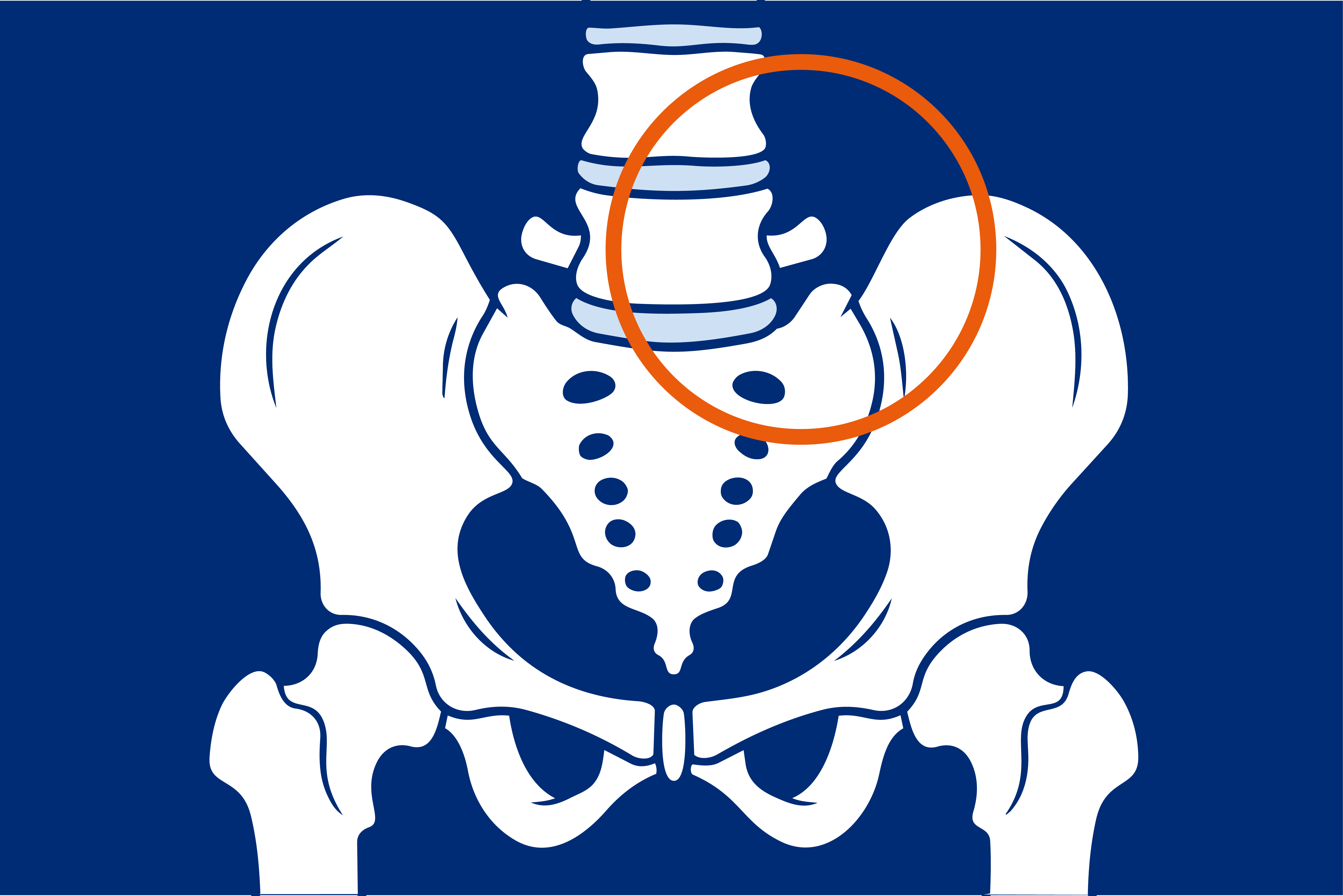


Lumbarization is a congenital anatomical defect of the spine. It occurs when the first sacral vertebra (S1) does not fuse with the sacrum and instead functions like an additional lumbar vertebra. As a result, the person appears to have six lumbar vertebrae instead of the usual five.
Yes. Lumbarization always refers to the S1 vertebra - the first sacral segment. Only this vertebra takes on characteristics of a lumbar vertebra. If other vertebrae are affected, the condition is classified as a different type of transitional spinal anomaly.
This phrase is imprecise and colloquial. It usually refers to an atypical thoracolumbar junction, where the Th12 vertebra shows intermediate traits. However, from a medical perspective, this is not considered lumbarization, which is strictly limited to the S1 vertebra.
Walking doesn't cure lumbarization because it’s a congenital condition, but it can significantly alleviate pain. Regular, moderate walking improves lumbar stability, supports deep muscle function, and reduces spinal strain. However, it's essential to combine walking with sleep ergonomics, a suitable mattress, and stabilizing exercises.
It is a congenital condition that develops during embryonic growth. It results from segmentation disorders of the spine in the womb. It is not caused by lifestyle, sitting habits, or injuries. However, symptoms may emerge in adulthood, especially under strain or poor sleep ergonomics.


 |
save
-10%
on next purchase
|